.png&w=1672&q=75)
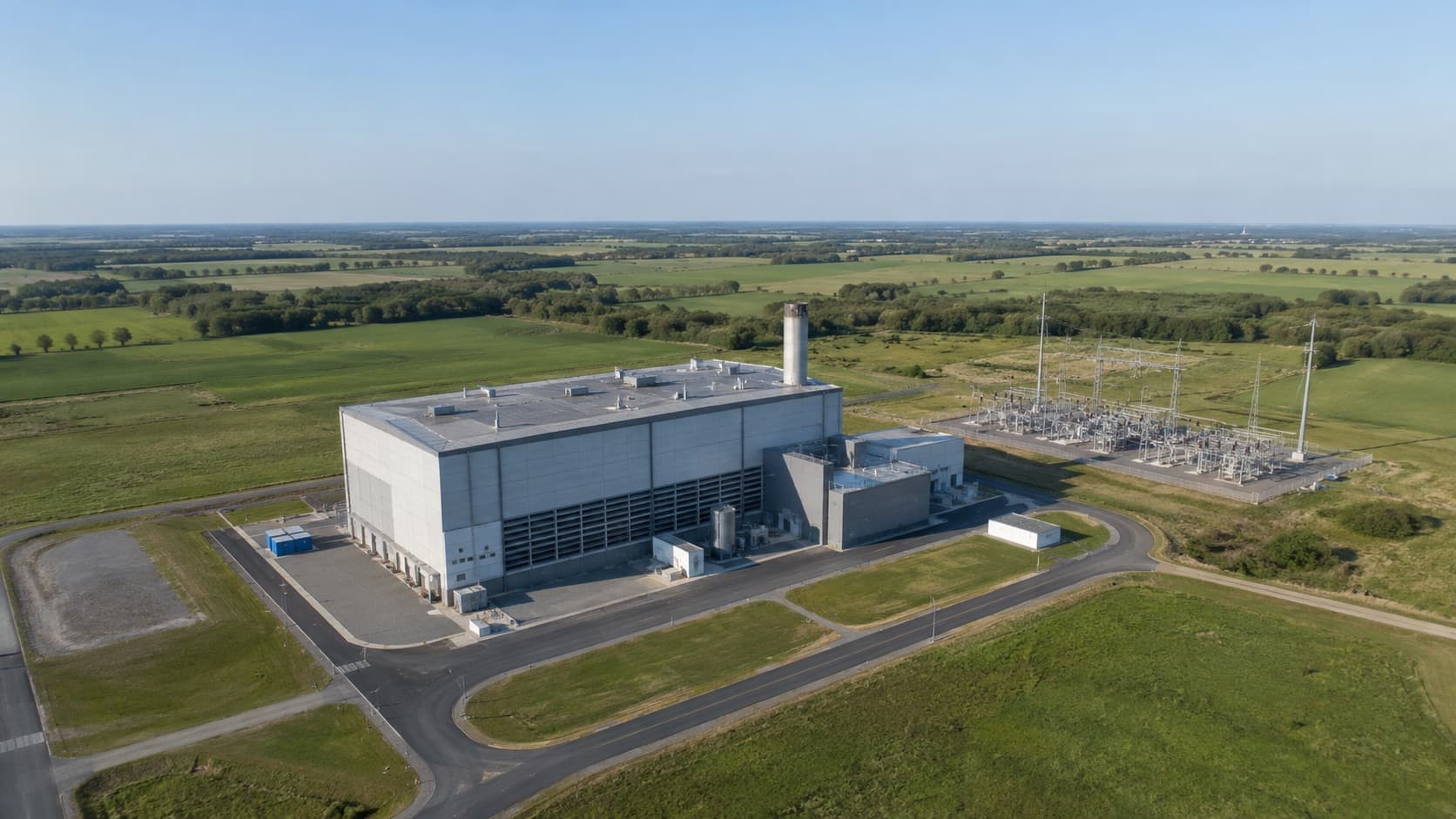
Cary, NC
Hire ADMS engineers in Cary, North Carolina
Cary is a Wake County landing for software-heavy candidates who still need ADMS/SCADA context. We use it as a Triangle page, not a fake second Raleigh clone.
The Cary ADMS market
Wake County vendor and SAS-adjacent tech next to Duke feeders.
How the Cary market works
The controls market in Cary, North Carolina should be read through Cary–Research Triangle Park–Raleigh I-40 and US-1 corridor rather than through a generic technology index. Duke Energy provides the utility operating picture, while Duke Energy Self-Optimizing Grid program, and Duke Energy Grid Improvement Plan and software vendors, and Duke partners identify the programs and organizations likely to sponsor or deliver the work. For buyers serving software, life sciences, and professional services, the resulting need is usually ADMS, OMS, and network-model delivery. A credible search connects ADMS tools, QA automation, dashboards with the operating environment, delivery phase, and location expectations instead of treating every SCADA or ADMS title as interchangeable.
Cary is a smaller market that often draws from nearby cities and remote practitioners within North Carolina. That distinction changes sourcing, not the technology standard. A local professional may know Cary–Research Triangle Park–Raleigh I-40 and US-1 corridor and the operating needs of software, life sciences, and professional services; a remote professional may offer deeper background with Schneider, OSI, and SQL/Python tools. The right balance depends on travel cadence, access restrictions, program duration, and whether hands-on work for Duke Energy Self-Optimizing Grid program, and Duke Energy Grid Improvement Plan is concentrated around factory acceptance, site acceptance, cutover preparation, or periodic workshops.
Work packages buyers staff in Cary
A strong scope separates the solution being supported from the business outcome expected. In Cary, groups commonly need help with as-operated topology, GIS connectivity, model validation, switching workflows, interfaces, and regression testing. Each item can belong to a different work package, skill set, and acceptance approach. Clients should state whether the project concerns assessment, configuration, data preparation, integration, test execution, defect resolution, commissioning support, or documentation. That clarity determines whether the shortlist should favor a application practitioner, an operations-aware analyst, an integration engineer, or a QA lead.
The boundary is equally essential: generic application development does not replace distribution operations and network-model knowledge. Work around Duke Energy Self-Optimizing Grid program, and Duke Energy Grid Improvement Plan may involve Schneider, OSI, and SQL/Python tools, but staffing does not replace the asset owner’s operating authority. For Cary hiring organizations serving software, life sciences, and professional services, a request should describe non-production access, simulator availability, change-control responsibilities, and the point at which an internal operator, grid engineer, or authorized commissioning lead accepts the work. Professionals can then discuss safe execution without overstating their mandate.
Platforms, interfaces, and technical evidence
Application context in Cary includes Schneider, OSI, and SQL/Python tools, especially where Duke Energy Self-Optimizing Grid program, and Duke Energy Grid Improvement Plan creates configuration, integration, or test work. A application name is useful, but version, module, architecture, and delivery phase are more predictive than the logo alone. Screening should ask what the engineer configured, tested, diagnosed, or documented; which environments were accessible; and how defects moved from discovery to approved resolution. This evidence distinguishes direct experience from someone who only worked beside the platform.
Domain interviews should follow the data and control path used by software, life sciences, and professional services. Depending on ADMS tools, QA automation, dashboards, that path may run from field devices or GIS records through communications and middleware into SCADA, ADMS, OMS, historians, dashboards, or test harnesses. A credible candidate can identify failure points, explain how to isolate them, and describe the artifacts used to prove a fix. Examples tied to Duke Energy and Cary–Research Triangle Park–Raleigh I-40 and US-1 corridor are helpful, but confidential customer details are not required.
How we screen Cary specialists
Our screen begins with the assignment rather than the job title. We confirm whether the work supports Duke Energy Self-Optimizing Grid program, and Duke Energy Grid Improvement Plan, how Cary–Research Triangle Park–Raleigh I-40 and US-1 corridor affects attendance, and which outcomes are truly mandatory. We then test for delivery-tested depth in ADMS tools, QA automation, dashboards, using follow-up questions that require the professional to describe decisions, constraints, failure modes, and acceptance evidence. This is particularly material around Cary, where software, life sciences, and professional services can use the same title for materially different controls work.
Shortlists are designed to make comparison easier. A profile should state relevant products, representative responsibilities, worksite and travel fit, availability, and any material gap against the brief. For software vendors, and Duke partners environments, we also distinguish direct utility-side expertise from vendor, integrator, EPC, or adjacent industrial work. Adjacent background can be valuable when the transfer is explicit; it should not be disguised as identical expertise. Clients receive a realistic view of the market and can decide whether to hold a strict requirement or widen it deliberately.
Pay bands and engagement design
SCADA-shaped seats in Cary typically plan around $110,000–$132,000, while senior, vendor-heavy, or unusually broad seats may reach $145,000+. These figures are directional market setting rather than an offer or guarantee. Compensation changes with employment type, contract duration, travel, shift or outage criteria, clearance and access needs, platform scarcity, and the degree of accountability expected. A role combining architecture, hands-on configuration, stakeholder leadership, and commissioning should not be benchmarked against a focused test analyst simply because both mention the same product.
Delivery effort design should match the work horizon. A focused contractor can suit a backlog, test cycle, migration checkpoint, or documentation package around Duke Energy Self-Optimizing Grid program, and Duke Energy Grid Improvement Plan. Contract-to-hire can help when the long-term operating model is still being validated. A permanent hire is usually more appropriate for durable ownership and recurring coordination with Duke Energy. For Cary–Research Triangle Park–Raleigh I-40 and US-1 corridor, the brief should state which model and site cadence are acceptable before sourcing begins.
Local Cary Market Services & Regional Presence
The engineering landscape in Cary requires specialized attention, and PositiveGridWorks delivers exactly that. With software, life sciences, and professional services driving infrastructure investments across North Carolina, the need for experienced SCADA and ADMS professionals is at an all-time high. Our delivery team assists hiring managers in sourcing the right talent for Duke Energy Self-Optimizing Grid program, and Duke Energy Grid Improvement Plan. From the core of Cary to the outer reaches of the Research Triangle metro, we provide targeted staffing services. By understanding the distinct needs of Duke Energy, we empower companies to reinforce their grid networks efficiently and effectively.
Our coordination team supporting the Cary area is available Monday through Friday, 8:00 AM to 5:00 PM local time to assist both clients and candidates. Because electric-utility and grid work rarely stops, we've designed our digital infrastructure to accept briefs and applications 24/7. You can connect with our regional engineers by emailing hello@positivegridworks.com to discuss opportunities within the Research Triangle market. We prioritize quick, accurate responses to ensure that your recruiting needs align perfectly with the technical realities of Cary.
Access to key delivery effort sites and power-system campuses in Cary is primarily defined by the Cary–Research Triangle Park–Raleigh I-40 and US-1 corridor. For engineers and contractors, navigating the region is a crucial factor in maintaining program cadence, with key areas accessible via US-1 and I-40. The Preston, MacGregor Downs, and Downtown Cary offer a variety of living arrangements that balance commute times with lifestyle preferences. Many of the professionals we place choose to reside in the greater Research Triangle communities, which provide excellent connectivity to major industrial zones and corporate headquarters for software vendors, and Duke partners. Understanding these regional commuting patterns allows us to better assess a specialist's ability to support on-site needs such as factory acceptance testing or secure control-room access.
The appeal of Cary extends far beyond its industrial footprint, offering a compelling lifestyle that helps draw top engineering talent to North Carolina. Residents and visiting professionals frequently enjoy local highlights such as Hemlock Bluffs Nature Preserve and Koka Booth Amphitheatre. This strong community character, coupled with the natural and cultural amenities of the region, creates an environment where professionals want to build their careers. For companies in the software, life sciences, and professional services space, emphasizing these unique lifestyle factors—from the bustling city center to nearby recreational spots—can be a significant advantage when recruiting highly sought-after practitioners.
A targeted, locally aware approach is essential for securing the right talent in Cary. We build our search strategies around the distinct characteristics of the Research Triangle market, taking into account the unique operational standards of Duke Energy. By aligning our assessment approach with the demands of Duke Energy Self-Optimizing Grid program, and Duke Energy Grid Improvement Plan and the overarching infrastructure objectives of North Carolina, we ensure a perfect match. From distribution modernization to specialized control environments, PositiveGridWorks delivers the precise, localized hiring solutions needed to thrive in this region.
Starting a search in Cary
A complete Cary talent search brief should name Cary–Research Triangle Park–Raleigh I-40 and US-1 corridor, the relevant part of Duke Energy Self-Optimizing Grid program, and Duke Energy Grid Improvement Plan, the project phase, primary work products, and the required software, life sciences, and professional services operating picture. It should also separate mandatory experience from preferences. If Schneider, OSI, and SQL/Python tools is required, explain which component and what the person must do with it. If broader ADMS, OMS, and network-model delivery expertise is acceptable, say which comparable environments transfer well.
After reviewing the brief, PositiveGridWorks searches for specialists whose validation material fits the assignment. For Cary, flexibility may come from Cary–Research Triangle Park–Raleigh I-40 and US-1 corridor, a planned travel model, or remote work limited to data, QA, integration, and documentation tasks. The shortlist should still show whether background with Duke Energy, software, life sciences, and professional services, or Duke Energy Self-Optimizing Grid program, and Duke Energy Grid Improvement Plan is direct or adjacent so the final assignment reflects the hiring organization’s operating and safety responsibilities.
FAQ
Frequently asked questions
Can you hire ADMS and SCADA engineers in Cary after reviewing a complete brief and confirming suitable profiles exist?
Yes. Cary is in our North Carolina inventory. We return a shortlist of specialized ADMS, SCADA, QA, or Ignition talent, with role-specific screening, typically after reviewing a complete brief and confirming suitable profiles exist.
Do you operate Duke Energy live SCADA or ADMS from Cary?
No. We do not take over live control rooms. In Cary we staff testing, GIS/OMS/ADMS data validation, historians, HMI, and non-production integration around Duke Energy and nearby employers.
What should a Cary contractor rate against?
Use $110,000–$132,000 as a SCADA-shaped planning band and $145,000+ for senior vendor-heavy seats. Actual offers depend on Schneider, GE Vernova, OSI, Ignition, or P&C depth and on-site days in the Research Triangle metro.
Which details should a Cary hiring brief include?
Include the platform and module, the relevant scope within Duke Energy Self-Optimizing Grid program, and Duke Energy Grid Improvement Plan, concrete deliverables, and experience serving software, life sciences, and professional services. Define non-production environments, work location, travel cadence across Cary–Research Triangle Park–Raleigh I-40 and US-1 corridor, employment model, target start, and interview process.
Can specialists work remotely for a Cary engagement?
Sometimes. Data validation, QA, integration analysis, documentation, and work in approved non-production environments can often support a remote or hybrid model. Site acceptance, commissioning, field communications, secure-room access, and operator workshops may require planned attendance in the Research Triangle market. The brief should define that boundary before matching begins.
Do you fill SCADA jobs, technician seats, or energy-engineer roles in Cary?
In Cary we staff ADMS tools, QA automation, dashboards seats: SCADA engineer jobs and technician checkout when the brief names the difference. We do not staff live operators, building-energy or CEM roles, nuclear-plant crews, or retail electricity around Duke Energy. Factory acceptance testing and site acceptance testing stay on approved lab or owner-controlled SAT paths.
Nearby cities
Raleigh
Research Triangle · North Carolina
Duke Energy ADMS and Triangle consulting, a first-six metro.
Charlotte
Charlotte · North Carolina
Duke Energy HQ gravity and a larger corporate OT bench than Raleigh.
Durham
Research Triangle · North Carolina
Triangle research and vendor labs next to Duke’s ADMS programs.
Greensboro
Piedmont Triad · North Carolina
Piedmont manufacturing SCADA between Duke’s two metros.
Winston-Salem
Piedmont Triad · North Carolina
Triad utilities and manufacturing OT with a thin ADMS bench.
Wilmington
Cape Fear · North Carolina
Coastal Duke territory, nuclear adjacency, and port industry SCADA.
Contact us by email
Include your company, location, role or project, relevant platforms, and timeline.
This opens your email app. Nothing is submitted or stored on this page.
Receive matching engineers for Cary
ADMS, SCADA, and power-systems talent for electric utilities and grid software, not CEM, nuclear desks, or a replacement EMS.
- Independent specialist practice
- Vendor-stack experience screened
- Non-production delivery
- U.S.-led engagements