.png&w=1672&q=75)
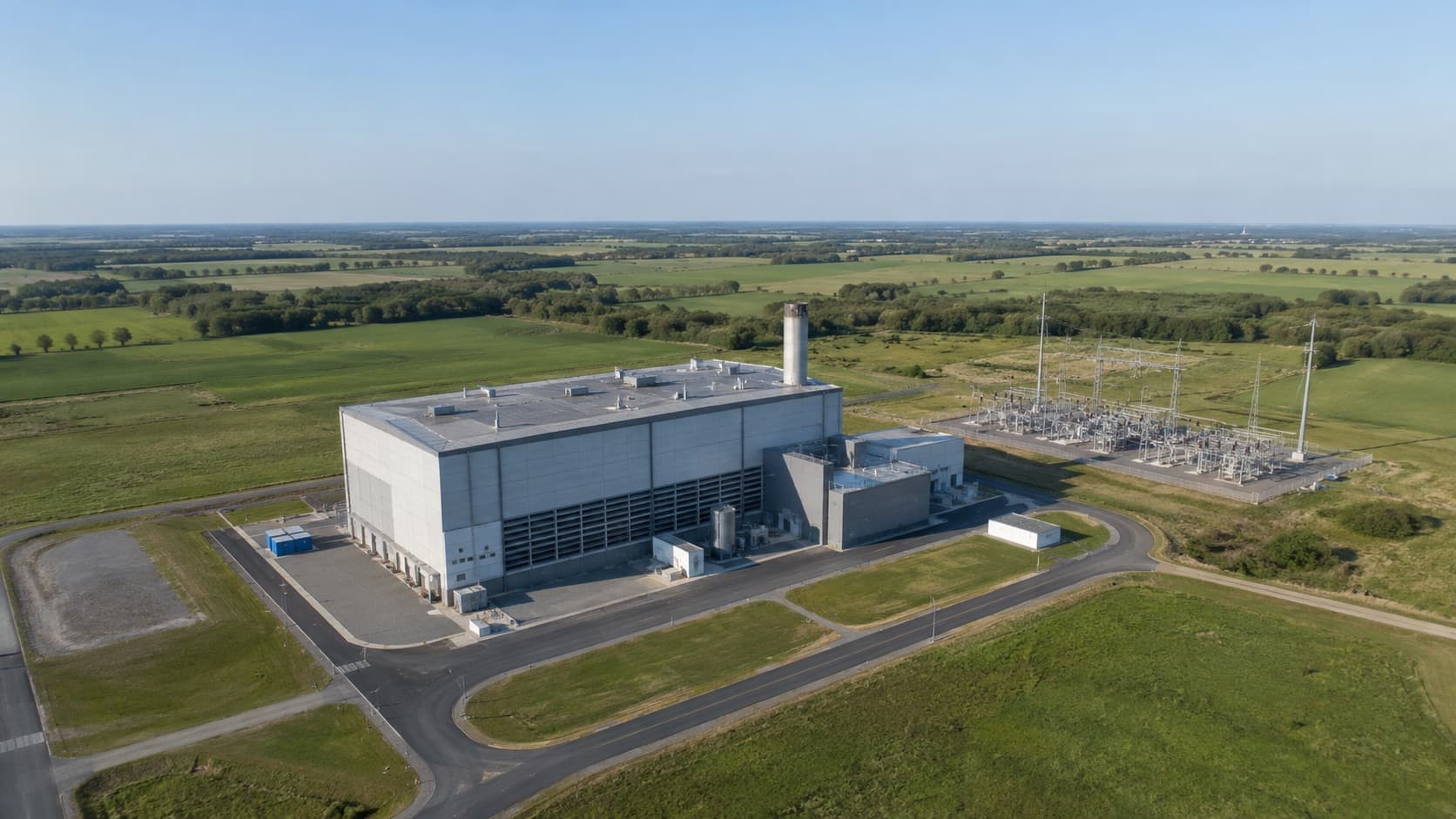
Mesa, AZ
Hire SCADA engineers in Mesa, Arizona
Mesa has both APS-metro demand and Mesa’s municipal electric utility. That dual story is why it is not a Phoenix clone: municipal SCADA plus Valley solar contractors.
The Mesa SCADA market
East-Valley APS load and a large municipal utility of its own.
How the Mesa market works
Local controls demand in Mesa follows the intersection of municipal IOUs and municipals, aerospace, advanced manufacturing, and data centers and electric-utility work such as Mesa Electric Electric-utility distribution modernization, and SRP Environment of Tomorrow. Talent is sourced across East Valley corridor along US 60 and Loop 202, while APS, and City of Mesa and City of Mesa, APS contractors, and EPCs shape the project language candidates will encounter. The resulting screen prioritizes municipal utility controls, Municipal SCADA, APS programs, QA, and supporting detail of safe delivery within the actual site and travel constraints.
Mesa is a smaller market that often draws from nearby cities and remote engineers within Arizona. That distinction changes sourcing, not the technology standard. A local candidate may know East Valley corridor along US 60 and Loop 202 and the operating needs of municipal IOUs and municipals, aerospace, advanced manufacturing, and data centers; a remote candidate may offer deeper track record with Schneider, Ignition, and GE. The right balance depends on travel cadence, access restrictions, project duration, and whether hands-on work for Mesa Electric Power-system distribution modernization, and SRP System of Tomorrow is concentrated around factory acceptance, site acceptance, cutover preparation, or periodic workshops.
Work packages buyers staff in Mesa
The delivery-tested work behind a Mesa requisition is rarely captured by one product name. It may include operator HMI, alarm management, historian quality, substation communications, and applied integration. These activities touch operations differently and should not be merged into a vague request for a senior controls resource. A better brief names the current phase, accessible environments, expected required artifacts, upstream dependencies, and the people who will approve the result. Doing so lets specialists demonstrate relevant ownership rather than merely matching keywords.
The boundary is equally critical: large-IOU transformation track record must be adapted to the smaller group and broader ownership typical of a municipal utility. Work around Mesa Electric Power-system distribution modernization, and SRP System of Tomorrow may involve Schneider, Ignition, and GE, but staffing does not replace the asset owner’s operating authority. For Mesa buyers serving municipal electric utilities, aerospace, advanced manufacturing, and data centers, a request should describe non-production access, simulator availability, change-control responsibilities, and the point at which an internal operator, electric-utility engineer, or authorized commissioning lead accepts the work. Candidates can then discuss safe execution without overstating their mandate.
Platforms, interfaces, and technical evidence
Application setting in Mesa includes Schneider, Ignition, and GE, especially where Mesa Electric Electric-utility distribution modernization, and SRP Operating platform of Tomorrow creates configuration, integration, or test work. A technology stack name is useful, but version, module, architecture, and delivery phase are more predictive than the logo alone. Assessment should ask what the engineer configured, tested, diagnosed, or documented; which environments were available; and how defects moved from discovery to approved resolution. This supporting detail distinguishes direct background from someone who only worked beside the application.
Technical interviews should follow the data and control path used by municipal grid operators, aerospace, advanced manufacturing, and data centers. Depending on Municipal SCADA, APS programs, QA, that path may run from field devices or GIS records through communications and middleware into SCADA, ADMS, OMS, historians, dashboards, or test harnesses. A credible specialist can identify failure points, explain how to isolate them, and describe the artifacts used to prove a fix. Examples tied to APS, and City of Mesa and East Valley corridor along US 60 and Loop 202 are helpful, but confidential customer details are not required.
How we screen Mesa specialists
Our screen begins with the assignment rather than the job title. We confirm whether the work supports Mesa Electric Utility distribution modernization, and SRP Solution of Tomorrow, how East Valley corridor along US 60 and Loop 202 affects attendance, and which outcomes are truly mandatory. We then test for applied depth in Municipal SCADA, APS programs, QA, using follow-up questions that require the engineer to describe decisions, constraints, failure modes, and acceptance supporting detail. This is particularly essential around Mesa, where municipal electric utilities, aerospace, advanced manufacturing, and data centers can use the same title for materially different controls work.
Shortlists are designed to make comparison easier. A profile should state relevant applications, representative responsibilities, location and travel fit, availability, and any material gap against the brief. For City of Mesa, APS contractors, and EPCs environments, we also distinguish direct utility-side expertise from vendor, integrator, EPC, or adjacent industrial work. Adjacent track record can be valuable when the transfer is explicit; it should not be disguised as identical track record. Buyers receive a realistic view of the market and can decide whether to hold a strict requirement or widen it deliberately.
Pay bands and engagement design
SCADA-shaped positions in Mesa typically plan around $112,000–$132,000, while senior, vendor-heavy, or unusually broad seats may reach $145,000+. These figures are directional market context rather than an offer or guarantee. Compensation changes with employment type, contract duration, travel, shift or outage requirements, clearance and access needs, product scarcity, and the degree of accountability expected. A assignment combining architecture, hands-on configuration, stakeholder leadership, and commissioning should not be benchmarked against a focused test analyst simply because both mention the same product.
Engagement design should match the work horizon. A focused contractor can suit a backlog, test cycle, migration checkpoint, or documentation package around Mesa Electric Electric-utility distribution modernization, and SRP Environment of Tomorrow. Contract-to-hire can help when the long-term operating model is still being validated. A permanent hire is usually more appropriate for durable ownership and recurring coordination with APS, and City of Mesa. For East Valley corridor along US 60 and Loop 202, the brief should state which model and site cadence are acceptable before sourcing begins.
Local Mesa Market Services & Regional Presence
The engineering landscape in Mesa requires specialized attention, and PositiveGridWorks delivers exactly that. With municipal electric utilities, aerospace, advanced manufacturing, and data centers driving infrastructure investments across Arizona, the need for experienced SCADA and ADMS professionals is at an all-time high. Our team assists talent search managers in sourcing the right talent for Mesa Electric Utility distribution modernization, and SRP System of Tomorrow. From the core of Mesa to the outer reaches of the Phoenix metro, we provide targeted staffing services. By understanding the distinct needs of APS, and City of Mesa, we empower companies to reinforce their grid networks efficiently and effectively.
Our coordination organization supporting the Mesa area is available Monday through Friday, 8:00 AM to 5:00 PM local time to assist both clients and specialists. Because power-system and grid work rarely stops, we've designed our digital infrastructure to accept briefs and applications 24/7. You can connect with our regional professionals by emailing hello@positivegridworks.com to discuss opportunities within the Phoenix market. We prioritize quick, accurate responses to ensure that your recruiting needs align perfectly with the engineering realities of Mesa.
Access to key project sites and grid campuses in Mesa is primarily defined by the East Valley corridor along US 60 and Loop 202. For engineers and contractors, navigating the region is a crucial factor in maintaining delivery effort cadence, with key areas accessible via US-60 and Loop 202. The Las Sendas, Eastmark, and Downtown Mesa offer a variety of living arrangements that balance commute times with lifestyle preferences. Many of the professionals we place choose to reside in the greater Phoenix communities, which provide excellent connectivity to major industrial zones and corporate headquarters for City of Mesa, APS contractors, and EPCs. Understanding these regional commuting patterns allows us to better assess a specialist's ability to support on-site specifications such as factory acceptance testing or secure control-room access.
Recruiting for Mesa is often bolstered by the area's excellent quality of life and distinct local culture. Key regional draws, including the Mesa Arts Center and Usery Mountain Regional Park, offer professionals a vibrant backdrop outside of working hours. The diverse blend of urban conveniences and the broader scenic appeal of Arizona make it an ideal setting for long-term career growth. Highlighting this dynamic environment is crucial for employers in the municipal grid operators, aerospace, advanced manufacturing, and data centers sector, as it helps secure commitment from top-tier talent who value both challenging technology work and a rewarding community life.
Success in the Mesa recruiting landscape requires more than generic job postings; it demands a strategy rooted in local realities. We factor in the specific nuances of the Phoenix economy, ensuring our searches resonate with the right professionals. By contextualizing the requirements of APS, and City of Mesa and the scope of Mesa Electric Power-system distribution modernization, and SRP Environment of Tomorrow, we provide specialists who are technically vetted and geographically prepared for the work in Arizona. PositiveGridWorks stands ready to support your regional initiatives, bringing precision and local expertise to every critical infrastructure placement.
Starting a search in Mesa
A complete Mesa hiring brief should name East Valley corridor along US 60 and Loop 202, the relevant part of Mesa Electric Power-system distribution modernization, and SRP Solution of Tomorrow, the delivery effort phase, primary required artifacts, and the required municipal utilities, aerospace, advanced manufacturing, and data centers background. It should also separate mandatory experience from preferences. If Schneider, Ignition, and GE is required, explain which component and what the person must do with it. If broader municipal power-system controls background is acceptable, say which comparable environments transfer well.
After reviewing the brief, PositiveGridWorks searches for specialists whose proof fits the assignment. For Mesa, flexibility may come from East Valley corridor along US 60 and Loop 202, a planned travel model, or remote work limited to data, QA, integration, and documentation tasks. The shortlist should still show whether background with APS, and City of Mesa, municipal IOUs and municipals, aerospace, advanced manufacturing, and data centers, or Mesa Electric Utility distribution modernization, and SRP System of Tomorrow is direct or adjacent so the final project reflects the requesting team’s operating and safety responsibilities.
FAQ
Frequently asked questions
Can you hire ADMS and SCADA engineers in Mesa after reviewing a complete brief and confirming suitable profiles exist?
Yes. Mesa is in our Arizona inventory. We return a shortlist of specialized ADMS, SCADA, QA, or Ignition talent, with role-specific screening, typically after reviewing a complete brief and confirming suitable profiles exist.
Do you operate APS live SCADA or ADMS from Mesa?
No. We do not take over live control rooms. In Mesa we staff testing, GIS/OMS/ADMS data validation, historians, HMI, and non-production integration around APS and nearby employers.
What should a Mesa contractor rate against?
Use $112,000–$132,000 as a SCADA-shaped planning band and $145,000+ for senior vendor-heavy seats. Actual offers depend on Schneider, GE Vernova, OSI, Ignition, or P&C depth and on-site days in the Phoenix metro.
Which details should a Mesa hiring brief include?
Include the platform and module, the relevant scope within Mesa Electric Utility distribution modernization, and SRP System of Tomorrow, concrete deliverables, and experience serving municipal utilities, aerospace, advanced manufacturing, and data centers. Define non-production environments, work location, travel cadence across East Valley corridor along US 60 and Loop 202, employment model, target start, and interview process.
Can specialists work remotely for a Mesa engagement?
Sometimes. Data validation, QA, integration analysis, documentation, and work in approved non-production environments can often support a remote or hybrid model. Site acceptance, commissioning, field communications, secure-room access, and operator workshops may require planned attendance in the Phoenix market. The brief should define that boundary before matching begins.
Do you fill SCADA jobs, technician seats, or energy-engineer roles in Mesa?
In Mesa we staff Municipal SCADA, APS programs, QA seats: SCADA engineer jobs and technician checkout when the brief names the difference. We do not staff live operators, building-energy or CEM roles, nuclear-plant crews, or retail electricity around APS. Factory acceptance testing and site acceptance testing stay on approved lab or owner-controlled SAT paths.
Nearby cities
Phoenix
Phoenix · Arizona
APS, solar, BESS, and a hot SCADA contractor market.
Tempe
Phoenix · Arizona
ASU-adjacent software talent that still needs OT screening.
Scottsdale
Phoenix · Arizona
North-Valley corporate energy and data-center adjacency.
Tucson
Tucson · Arizona
TEP territory, a second Arizona utility, not a Phoenix suburb.
Chandler
Phoenix · Arizona
Southeast Valley fabs, data centers, and SRP/APS feeders.
Gilbert
Phoenix · Arizona
Fast-growth southeast Valley feeders on the APS/SRP edge.
Contact us by email
Include your company, location, role or project, relevant platforms, and timeline.
This opens your email app. Nothing is submitted or stored on this page.
Receive matching engineers for Mesa
ADMS, SCADA, and power-systems talent for electric utilities and grid software, not CEM, nuclear desks, or a replacement EMS.
- Independent specialist practice
- Vendor-stack experience screened
- Non-production delivery
- U.S.-led engagements